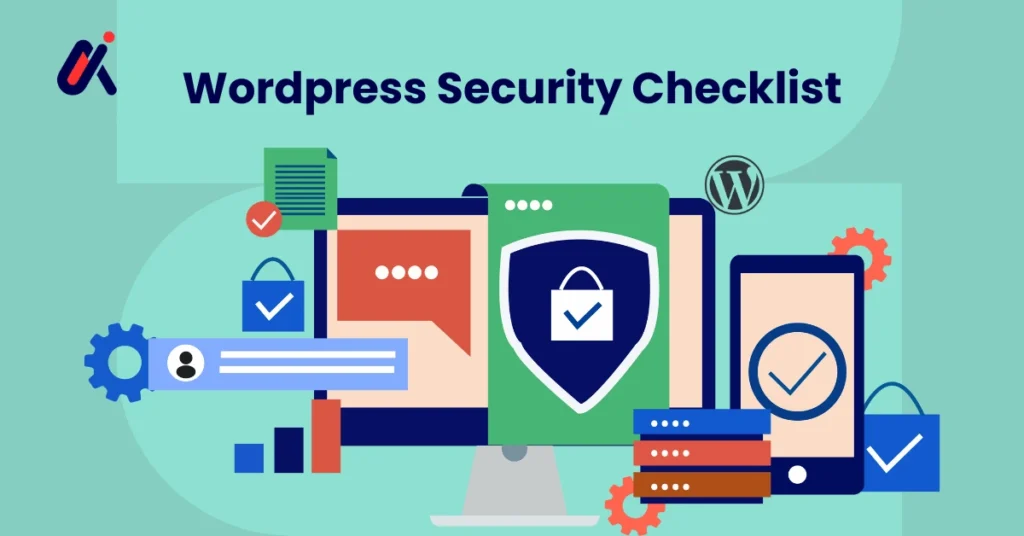
Overview Of WordPress Security Checklist
WordPress is the most popular internet site platform in the world. Millions of blogs businesses and on-line stores depend upon it. Its flexibility and ease of use make it a favorite for novices and professionals alike. However this popularity additionally attracts hackers. Every day websites are attacked through computerized bots and cyber criminals looking for weaknesses.
Website protection is not optionally available. A single safety lapse can cause records loss website downtime or even loss of consumer trust. This WordPress Security Checklist for 2026 is designed to manual you thru all vital steps to make your internet site secure dependable and secure. By following this checklist you’ll reduce risks and create a strong basis for your internet site security.
In this guide we can cover everything from updates login protection database protection to advanced security practices. Each step is explained in element so readers can implement it immediately.
1. Keep WordPress Core Themes and Plugins Updated
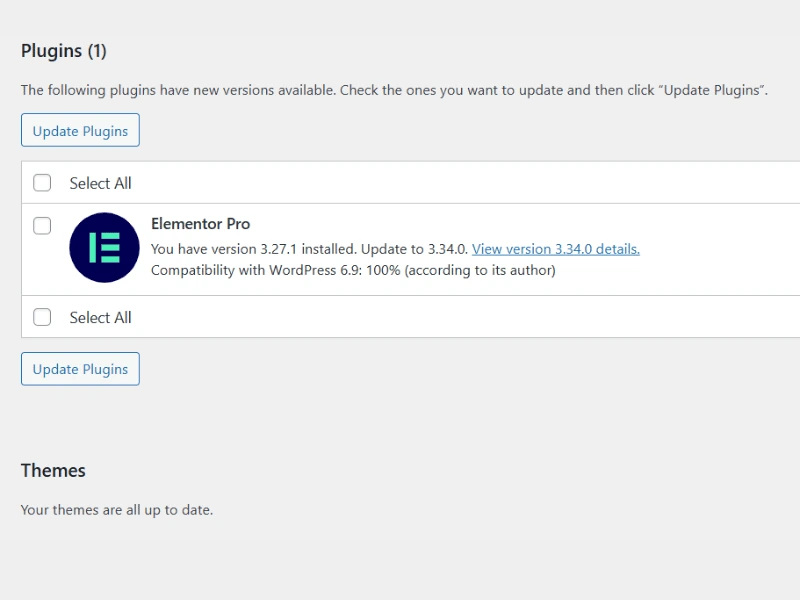
The first and maximum essential step within the WordPress Security Checklist is preserving the whole thing up to date. WordPress frequently releases updates to repair security vulnerabilities. Running an previous model exposes your website to hackers.
Why Updates Matter
Hackers frequently target older variations of WordPress or plugins due to the fact vulnerabilities are public know-how. Updates restore those weaknesses and make sure compatibility with security equipment.
How to Manage Updates
- Enable automatic updates for minor releases
- Check main updates frequently and practice them promptly
- Remove unused subject matters and plugins
- Install handiest trusted plugins from reliable resources
Updating WordPress core subject matters and plugins is a easy however surprisingly effective protection measure. Following this step reduces the probabilities of malware contamination and unauthorized access.
2. Strong Login Security Practices
Login protection is any other critical thing of a WordPress Security Checklist. Most attacks start with compromised login credentials.
Use Strong Passwords
Weak passwords are smooth to guess. Use a aggregate of letters numbers and symbols. Avoid common username like admin or root.
Enable Two Step Verification
Two step verification provides a further layer of protection. Even if a password is stolen attackers can’t get right of entry to the account with out the second one aspect.
Limit Login Attempts
Limiting failed login tries prevents brute pressure attacks. Set a maximum number of login tries and briefly block IP addresses that exceed it.
Strong login safety protects your WordPress admin area and user bills. Implementing those practices appreciably reduces the chance of unauthorized get right of entry to.
3. Secure Hosting and Website Connection
Your hosting environment performs a first-rate position in website safety. Choosing the proper website hosting provider is part of the WordPress Security Checklist.
Secure Hosting Features
- Server side firewalls
- Malware scanning
- Automatic backups
- DDoS safety
Use Secure Connections
SSL encrypts the records transferred between your website and traffic. HTTPS improves believe and SEO ratings. Most web hosting providers provide loose SSL certificates which should be enabled for every internet site.
A stable host mixed with SSL guarantees that your internet site is covered from outside threats and that user records is secure.
4. Backup and File Security
Backups and record security are essential to any WordPress Security Checklist.
Regular Backups
Backups offer a safety net in case of hacking or unintentional deletion. Schedule automated backups and shop them in an outside region. Always check backup restoration to make certain documents are usable.
File Permissions
Incorrect file permissions permit hackers to adjust internet site documents. Set advocated permissions for files and folders and restrict get entry to touchy configuration documents.
Disable File Editing
WordPress lets in modifying of subject matter and plugin documents from the admin dashboard. Disabling this selection prevents hackers from injecting malicious code in the event that they benefit get admission to.

5. Database Security
Database safety is frequently overlooked however it’s miles critical inside the WordPress Security Checklist.
Protect Your Database
- Use sturdy database passwords
- Change default database prefixes
- Limit user privileges to handiest what is important
Monitor Database Activity
Regularly take a look at database logs for suspicious pastime. Unauthorized modifications in the database can compromise the complete internet site. Securing your database facilitates prevent facts theft and injection attacks.
6. Website Firewall and Malware Protection
A firewall is a critical tool in defensive your website from malicious attacks. It blocks dangerous traffic before it reaches your website.
Firewall Benefits
- Protection from brute force assaults
- Defense against SQL injection and cross web site scripting
- Blocking malicious bots
Malware Scanning
Regular malware scanning detects inflamed files and suspicious behavior. Use trusted safety plugins to automate scans and fix issues right now. Firewalls and malware protection form a sturdy defense layer inside the WordPress Security Checklist.
7. User Management and Activity Monitoring
Managing customers effectively is an vital however regularly overlooked part of website safety.
User Roles
Not all users require complete access. Assign minimal permissions necessary for every user. Remove inactive users and often evaluate roles to keep protection.
Activity Monitoring
Monitor login instances record adjustments and user activity logs. Detecting suspicious behavior early lets in you to behave earlier than sizable harm occurs.
8. Secure Forms and Email
Forms and emails are commonplace objectives for attacks and phishing.
Form Security
Validate and sanitize person input to save you malicious injections. Use secure form plugins and upload verification strategies to save you spam.
Email Security
Use authenticated e-mail protocols and allow secure connections. Compromised email debts can be exploited to send phishing messages and thieve touchy data.
Securing forms and email guarantees that conversation and information series to your website stay secure.
9. Ongoing Monitoring and Security Audits
Security isn’t always a one time venture. Continuous tracking and audits are essential to keep website integrity.
Monitoring
Use equipment to tune uptime and performance. Unexpected downtime can also suggest an assault. Respond speedy to indicators to reduce impact.
Security Audits
Regularly evaluation security settings logs and plugin pastime. Update your WordPress Security Checklist practices based totally on new threats and vulnerabilities. Security audits make sure your internet site remains covered as threats evolve.
10. Educate Website Users
Human mistakes is one of the foremost causes of security breaches. Educating users is a part of a complete WordPress Security Checklist.
- Encourage strong passwords
- Train users to recognize phishing attempts
- Promote secure login practices
Well informed users reduce the chance of unintended security lapses and improve overall internet site protection.
Conclusion
Website security in 2026 is extra essential than ever. Threats keep to adapt and attackers emerge as extra superior. Following this WordPress Security Checklist facilitates website proprietors protect their content customers and recognition.
By implementing updates login protection hosting protection database safeguards firewall malware monitoring and consumer training you create a sturdy safety basis. This checklist presents a sensible grade by grade manual for readers to hold a stable internet site this is honest and dependable.
Pingback: WordPress AI A Simple Guide to Building Smarter Websites - AlphaDigitalWeb