Overview Of SEO Tips
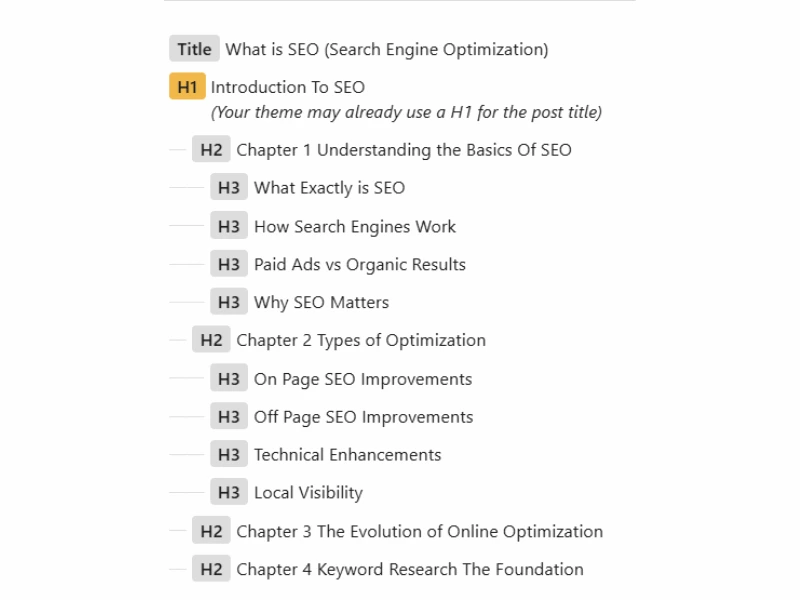
Search engine optimization is not about stuffing keywords or forcing rankings. In 2026, search engine marketing is about clarity, structure, and value, and following the right SEO Tips makes this shift easier to implement. Properly optimized content allows search engines to understand your message and helps readers consume information effortlessly, which is one of the core SEO Tips for sustainable growth. One of the most overlooked yet powerful elements of search engine marketing content optimization is proper content arrangement, especially the correct use of headings, a principle strongly recommended in modern SEO Tips.
This guide explains the right way to optimize your content with a strong focus on heading structure, clarity, and user intent, based on practical SEO Tips that work in real world scenarios. By the end, you will understand how to create content that ranks well, builds trust, and genuinely helps readers by applying proven SEO Tips consistently.
1. Understanding Why Content Structure Matters for search engine marketing
Search engines do not study content material like people do. They examine shape alerts and styles to recognize what a page is set. A nicely structured article makes it less difficult for search engines like google and yahoo to move slowly, index, and rank your content effectively.
For readers, shape performs an similarly important role. Organized content material builds accept as true with, continues users engaged, and encourages them to stay longer to your page. Good structure improves:
- User enjoy
- Content clarity
- Search engine knowledge
- Ranking capacity
Why Structure Helps Readers
Clear headings allow customers to quickly discover the statistics they’re searching out. Well organized content improve engagement and decrease bounce fees which positively impacts search ranking. Reader can test content and discover relevant sections with out frustration, increasing time spent to your web page.
2. Importance of Using One H1 Heading Correctly
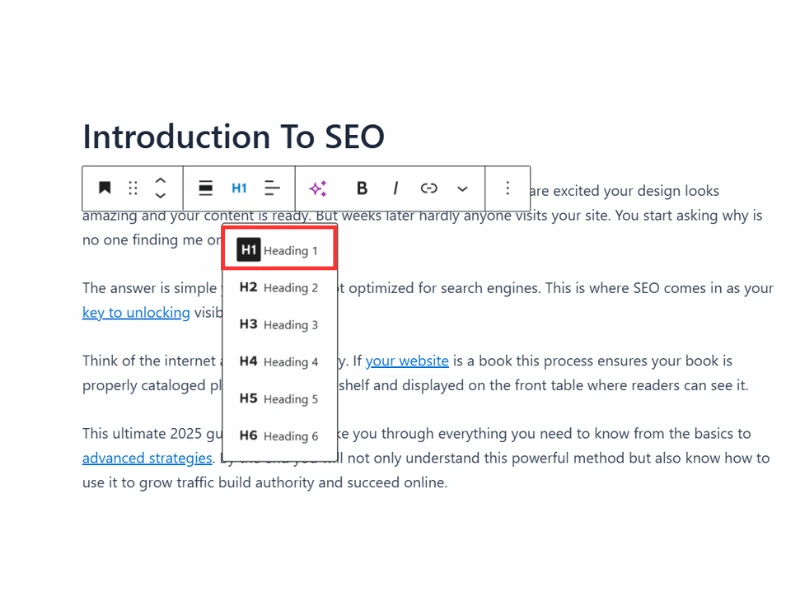
Why H1 Is Important
The H1 heading represents the primary subject matter of your web page. It tells engines like google what your content material specializes in and tells readers what trouble the thing will clear up. Using multiple H1 headings sends blended alerts to search engines like google and yahoo and weakens topical relevance. A sturdy H1 is essential for both search engine optimization and user clarity.
Best Practices for H1
- Use only one H1 according to web page
- Place it on the top of the content
- Include your number one focus keyword certainly
- Make it descriptive and reader-friendly
A nicely written H1 without delay communicates the subject and sets the expectancy for readers. Avoid vague or clickbait titles that don’t supply price.
3. How H2 Headings Improve Content Organization
Role of H2 in search engine optimization
H2 headings divide your content into primary sections. Each H2 represents a key subtopic associated with the principle H1. Search engines use H2s to recognize the depth and context of your content material. For readers, H2s create a visible roadmap, making it less difficult to scan and digest the content material.
Writing Effective H2 Headings
- Introduce a clear subtopic
- Use related key phrases obviously
- Keep them concise and descriptive
- Avoid repeating the H1
Subpoints Under H2 (Optional)
- Can encompass examples, steps, or quick causes
- Should no longer be numbered
- Improves clarity and logical drift
4. Using H3 Headings to Add Depth and Clarity
Purpose of H3 Headings
H3 headings are used underneath H2 headings to offer special causes, examples, or steps. They decorate content clarity and make complicated facts less complicated to recognize.
Correct Use of H3 Headings
- Always vicinity H3 below an H2
- Use them when a section requires breakdown or more clarification
- Keep them applicable to the discern H2
- Do now not overuse
Sub Details Under H3
- Step by means of step instructions
- Examples or actual existence situations
- Additional context for readers
5. Matching Content With Search Intent
Understanding User Intent
Search motive explains why a user searches for a query. Content that does not match cause will warfare to rank, regardless of right key phrases. There are 3 important varieties of search cause:
- Informational: Users need to learn or recognize something
- Navigational: Users are seeking out a particular website or page
- Transactional: Users want to take action, along with making a buy
How Headings Help Match Intent
Clear headings allow customers to fast locate the information they want. Search engines praise content material that satisfies person purpose correctly. For instance:
- Informational content have to use educational headings
- Transactional content must use actionable headings
6. Writing Content That Is Easy to Read and Understand
Importance of Readability for search engine marketing
Readability is a ranking element as it impacts consumer behavior. If users leave your web page quick, search rankings can go through. Easy to study content material maintains users engaged and encourages them to explore further.
How Heading Structure Improves Readability
Headings create visual break and make content scannable. User can soar to section they need with out scrolling without end. Short paragraphs bullet point and subheading enhance user experience and retention.
7. Optimizing Keywords Without Overstuffing
Natural Keyword Placement
Keywords have to fit evidently within headings and content material. Forced placement harms readability and search engine optimization overall performance. Best places for key phrases include:
- H1 heading
- One or two H2 headings
- First paragraph
- Meta description
Avoiding Common Keyword Mistakes
- Avoid repeating the identical keyword in every heading
- Do now not force key phrases where they don’t healthy obviously
- Focus on subject matter relevance over frequency
Search engines now prioritize context and semantic relevance over genuine keyword repetition.
8. Creating Topical Authority With Structured Content
What Is Topical Authority
Topical authority occurs while your website consistently publishes comprehensive content material around a specific problem. Google acknowledges websites as specialists in a niche based totally on content depth, fine, and consistency.
How Headings Support Authority
Organized headings overlaying related subtopics help search engines apprehend your understanding. This improves credibility, believe, and long term ranking ability.
9. Internal Linking With Proper Heading Flow
Why Internal Links Matter
Internal hyperlinks help search engines like google and yahoo move slowly your website efficaciously and help customers discover associated content material. They distribute link fairness throughout your pages and enhance engagement metrics.
Where to Add Internal Links
Within applicable H2 or H3 sections
Use descriptive anchor textual content
Link to supportive articles
Avoid irrelevant or immoderate linking

10. Optimizing Content for Featured Snippet
Role of Heading in Featured Snippet
Search engines regularly extract featured snippets from definitely based content. Proper headings boom the chances of appearing in snippet packing containers, giving your page better visibility.
Best Practices for Snippet Optimization
- Use query based totally H2 or H3 headings
- Provide clean and concise answers beneath the headings
- Include step by means of step lists or numbered commands if applicable
11. Mobile Friendly Content Structure
Why Mobile Structure Matters
Most users get entry to content material thru cell devices. Poorly established content material on cell reduces clarity, will increase bounce charge, and negatively affects ratings.
How Headings Improve Mobile Experience
- Short and clean headings
- Adequate spacing between sections
- Logical content waft
Mobile pleasant headings assist customers navigate content material speedy and enhance ordinary engagement.
12. Updating Old Content With Better Structure
Why Content Updates Are Important
Refreshing antique content improves its relevance and search ranking. Updating headings and shape is one of the easiest methods to make older articles more powerful.
What to Improve in Old Content
- Fix multiple H1 problems
- Add lacking H2 sections
- Include supporting H3 subheadings
- Improve readability and readability
Updating indicators freshness to Google and maintains site visitors through the years.
13.Common Heading Mistakes to Avoid
- Using more than one H1 tags
- Skipping H2 and leaping to H3
- Stuffing key phrases into headings
- Using headings totally for styling as opposed to structure
Avoiding these errors improves each SEO and consumer enjoy.
Final Thoughts on SEO Tips
SEO success comes from clarity, not shortcuts. Proper heading arrangement allows search engines to recognize your content and makes it easier for readers to follow, which is one of the most important SEO Tips for long term success. When you use one strong H1, supported by numbered H2 headings and clear H3 subheadings, your content becomes easier to read, rank, and share, following proven SEO Tips used by high performing websites.
Content optimization is about structure, intent, and value. Applying practical SEO Tips such as correct heading usage, clear content flow, and user focused formatting helps search engines understand your pages better. Following these SEO Tips in 2026 will naturally improve your rankings, strengthen topical authority, and deliver better experiences for your target audience through consistent and effective SEO Tips implementation.